About This Project
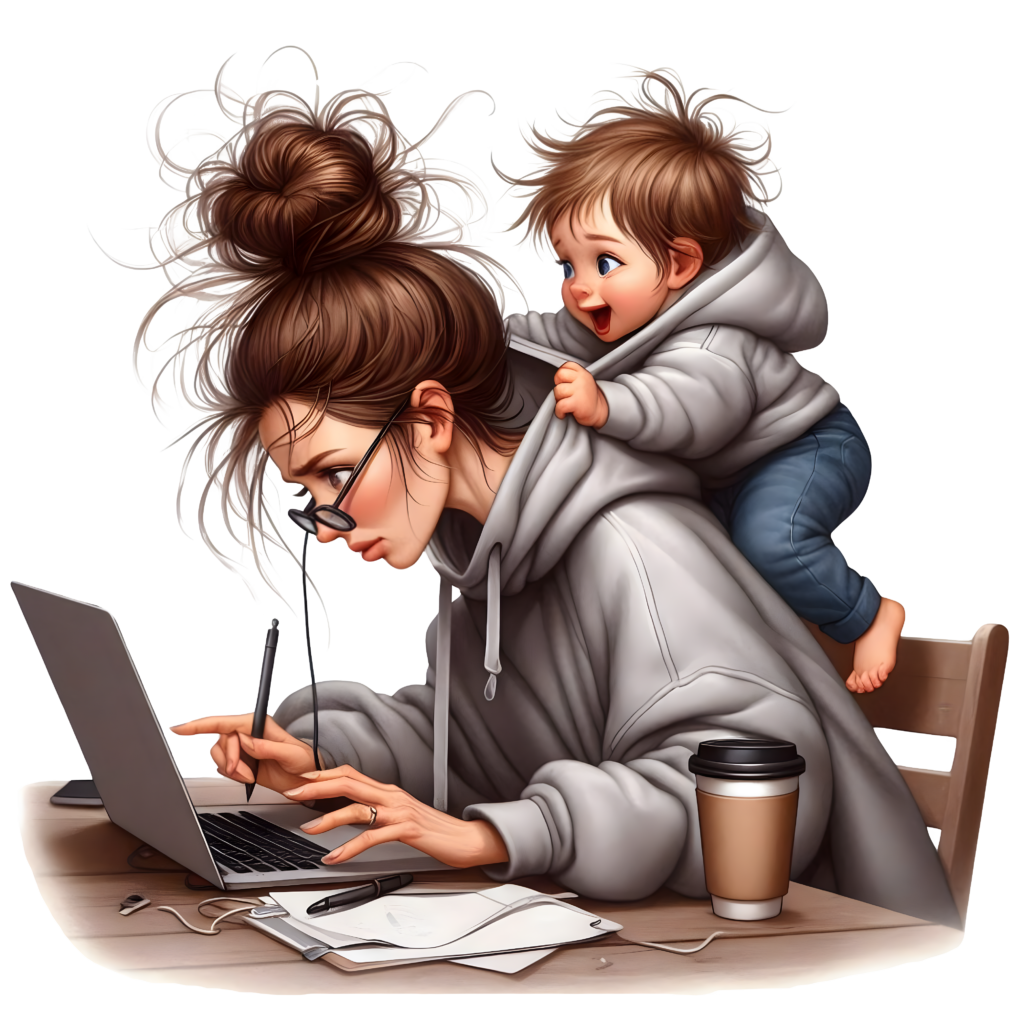
The ever evolving and always unachievable, socially constructed archetype of the “Good Mother” is putting immense pressure on modern mothers to stretch themselves beyond their physical and emotional capacity (Ross, 2006). According to Gunderson and Barrett (2015) “fulfilling societal expectations of the ‘good mother’ diminishes maternal psychological well-being.”
Through this project, I will expose how maternal madness is systemically manifested by oppressive structures that lead to marginalization, burnout, psychiatric labeling and mother-blame (Blum, 2007). I agree with Jong (2010) who wrote “… it seems we have devised a new torture for mothers – a set of expectations that makes them feel inadequate…” Forbes et.al. (2021) explains how many Western cultures have made significant strides in developing and enforcing policies that promote gender equality in public places; while not perfect, this movement towards gender equality has given women increasing access to education, employment and healthcare but, it “backfires on mothers when equality is achieved in many areas… while inequality still prevails in parenthood.” While society’s shifting attitude about gender equality has infiltrated the public sector and created change, these attitudes have been much slower to shift within our own homes, creating a disabling and maddening, gendered work-load imbalance for mothers (Forbes et al., 2021). “Over the past three decades, research has consistently shown that women’s increasing participation in paid employment has not been matched by men’s participation in housework” (Van Hoof, 2011).
This project will challenge and reimagine dominant constructions of motherhood, and promote collective transformation by proposing that our maternal distress is socially constructed. In our current political climate and time of austerity, women and mothers seem to be losing their rights and access to support; I worry that “our foremothers might be appalled by how little we have transformed the world of motherhood” for future generations of women to come (Jong, 2010).